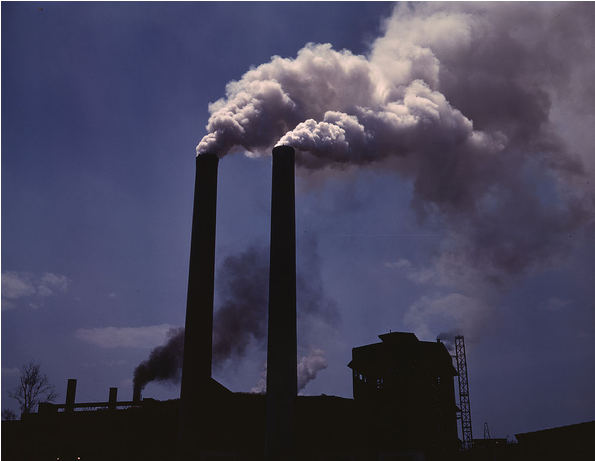
Topographical and meteorological situations are rising the range and intensity of the pollutants. The quality of raw materials utilized in the production process in industries is expanding the type and frequency of eruptions of harmful gases. Booming population mass is necessitating the need for more industrialization, which eventually causes air pollution Air essay.
Air Pollutants such as harmful liquid droplets, solids particulates, and toxic gases which are generally not the components of fresh air are very precarious to the plant and animal life. Some of the pollutants are oxides of carbon, nitrogen and sulfur gases, halogenated and non-halogenated hydrocarbons, suspended inorganic particulate matters, inorganic and organic acids, etc. There are two kinds of air pollution sources they are
- Natural Sources
- Human-made sources
Natural Sources of Air Pollution
Some familiar sources of the air pollution are volcanic eruptions, volcano released ashes, smokes, carbon dioxide, dust and other gases, deflation of sands, dust, salts spray from seas and ocean, bombardment of asteroid materials, soil particles, storms, forest fires, cosmic particles, rays, comets, pollen grains, fungal spores, viruses, bacteria, essay writing of air pollution etc.
Air Pollution Human Made Sources
Human-made sources of air pollution are releases from industries, agriculture, power plants, automobiles, domestic causes, etc. Some of the air pollutants from the man-made sources are like smokes from chimneys, dust while construction, particulate matters, domestic heating, eruptions from different vehicles, usage of insecticides, pesticides, herbicides, the heat produced from power plants, fly ash, etc.
Because of the growing number of air pollutants, they are divided into two types, such as primary pollutants and secondary pollutants. Primary pollutants are those attacking the fresh air directly and released from smoke, ash, dust, fumes, mist, spray, inorganic gases, carbon dioxide, ammonia, nitric oxide, carbon monoxide, sulfur dioxide, hydrogen sulfide, and radioactive compounds. Secondary pollutants are those influencing the air indirectly by biochemical interactions to the principal pollutants and other atmospheric constituents such as sulfur-trioxide, ozone, hydrocarbons, nitrogen dioxide, etc.
The consequences of air pollution lead to ozone depletion, smog, acid rain, and global warming. The Ozone layer is a belt of natural gasses in the stratosphere that protects the planet. It shields us from dangerous ultraviolet B radiation emitted by Sun. The air pollution caused by pollutants in the atmosphere is severely damaging the ozone layer. For the past few decades, many holes have developed in the layer. The ozone layer above Antarctica especially has suffered serious damage. When the ozone layer gets consumed the harmful UVB radiation enters the surface of the earth causing skin cancer and eye damage amongst humans.
Smog is the fatal mixture of Smoke and Fog. It is a grey colored fog that is produced when the pollutants in the air, like carbon particles, compress and mix with the fog. Smog is very harmful to humans and the whole environment. It can start diseases such as cold, flu, eye irritation, asthma and also lung cancer in the long run.
Acid Rain is created when a chemical reaction happens between air pollutants and water and oxygen in the atmosphere. Pollutants like sulfur-dioxide and nitrogen-oxide are water-soluble and blend with the water in the atmosphere and cause acid rain. The acidic quality of this rain produces severe harm to the plants, animals and the soil.
Air Pollution Essay Conclusion
The aim of human beings altogether all over the world may cooperate in regulating the level of air pollution. Some of the measures which can be taken are such as the establishment of industrial estates away from residential areas, usage of tall chimneys (with filters and electrostatic precipitators), usage of high-temperature incinerators. Also, we can take steps towards promoting re-plantation, utilizing non-combustive sources of energy, promoting the use of non-lead antiknock agents in the gasoline and so many positive efforts.